Carbon Audit and Zero-Carbon Path Planning for a National Chemical Park
Chemical parks have dense enterprises, complex processes, and massive emissions, lacking baseline data to formulate scientific peak and reduction roadmaps.
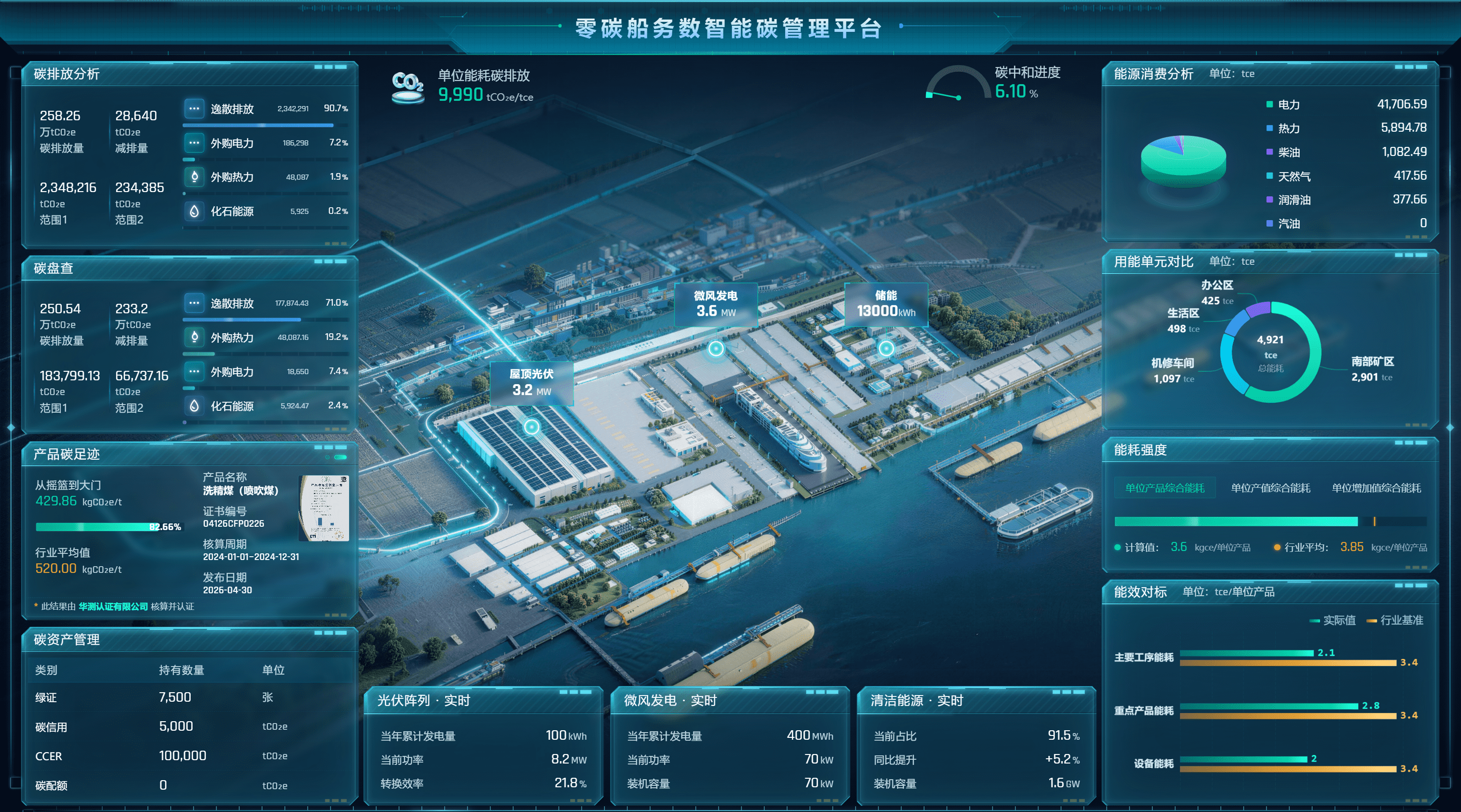
Used a bottom-up carbon audit method to calculate emissions for over 100 enterprises, combining industrial planning to design a source-grid-load-storage zero-carbon path.
A national economic development zone on the east coast
Government & Public Parks
Zero-Carbon Path Planning & Consulting
Conducted a comprehensive greenhouse gas audit for a chemical park, quantified emissions, and planned a zero-carbon transition path covering source reduction, process efficiency, and end-of-pipe capture.
Challenge
The park had numerous chemical and building material enterprises with overlapping emission boundaries, facing severe policy pressure from dual control of energy to dual control of carbon.
Solution
Our consulting team used carbon accounting tools to conduct a comprehensive audit, identifying three high-emission industries and tailoring plans for green power substitution, waste heat utilization, and CCUS.
Result
Compiled a detailed zero-carbon path planning report for the park, defining a roadmap to peak carbon emissions by 2030, which was highly praised by provincial experts.
“This planning report provides not only macro goals but also project-specific implementation paths, guiding our park's investment attraction and green transition.”